
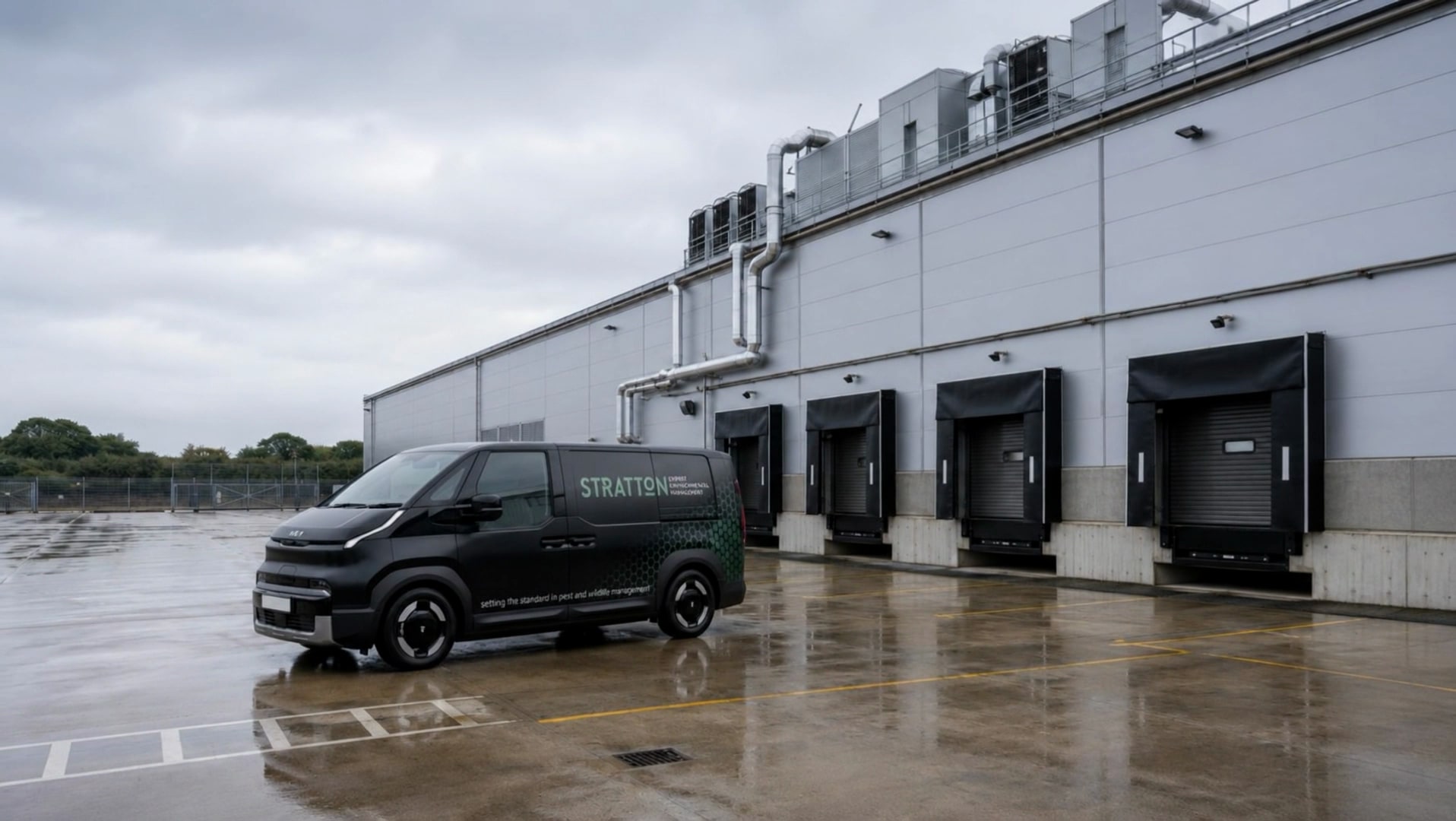
Pest management that sees beyond the next visit.
Commercial pest management for audited and high-consequence sites
SEPOS→ ReviewBuildings change. Pest pressure does not wait for a scheduled inspection.
Stratton identifies the conditions that allow activity, addresses the causes, and follows each finding through to a clear decision and verified action.

01 – Where control begins
The conditions change before the incident.
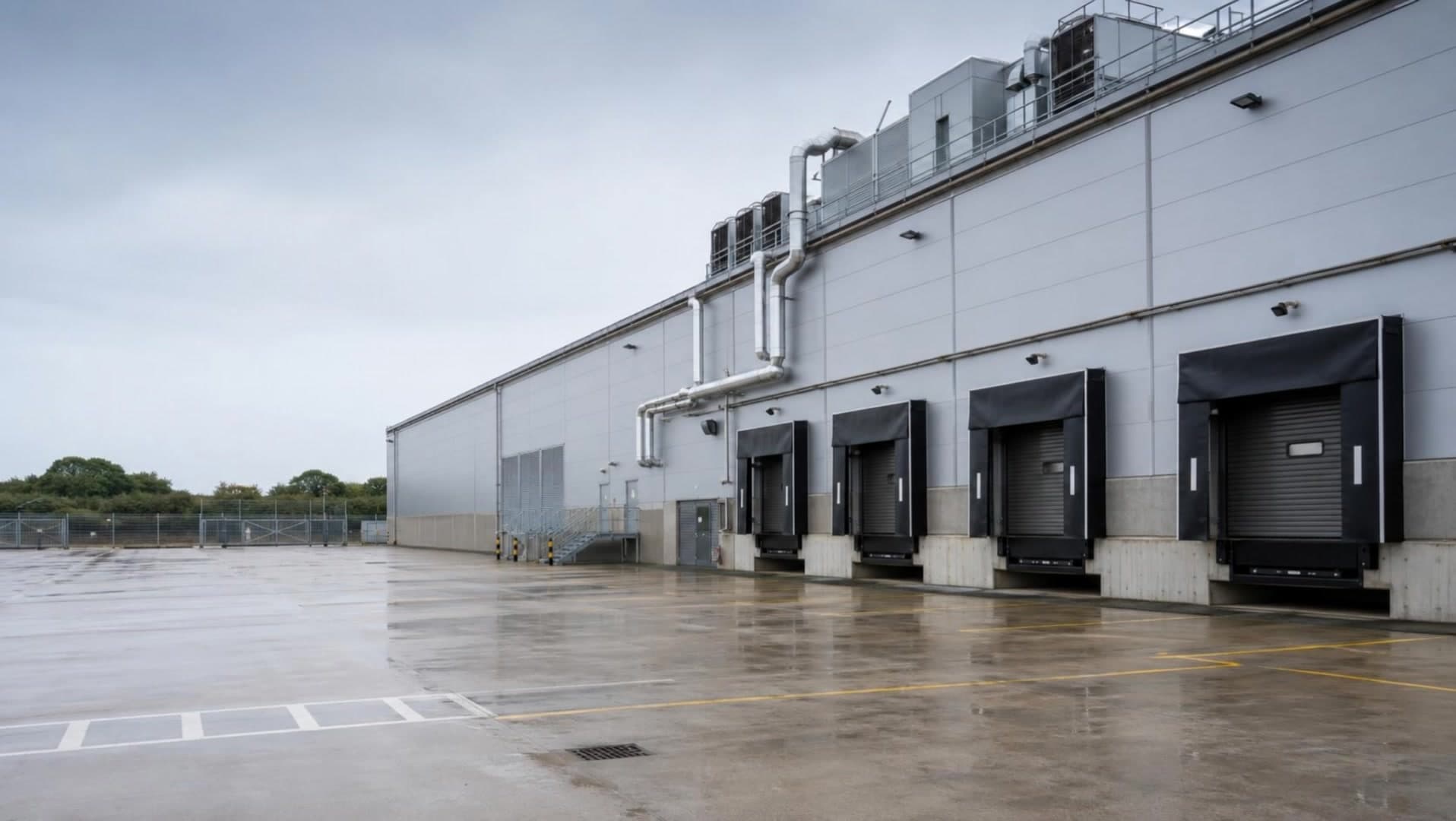
A loading door no longer seals.
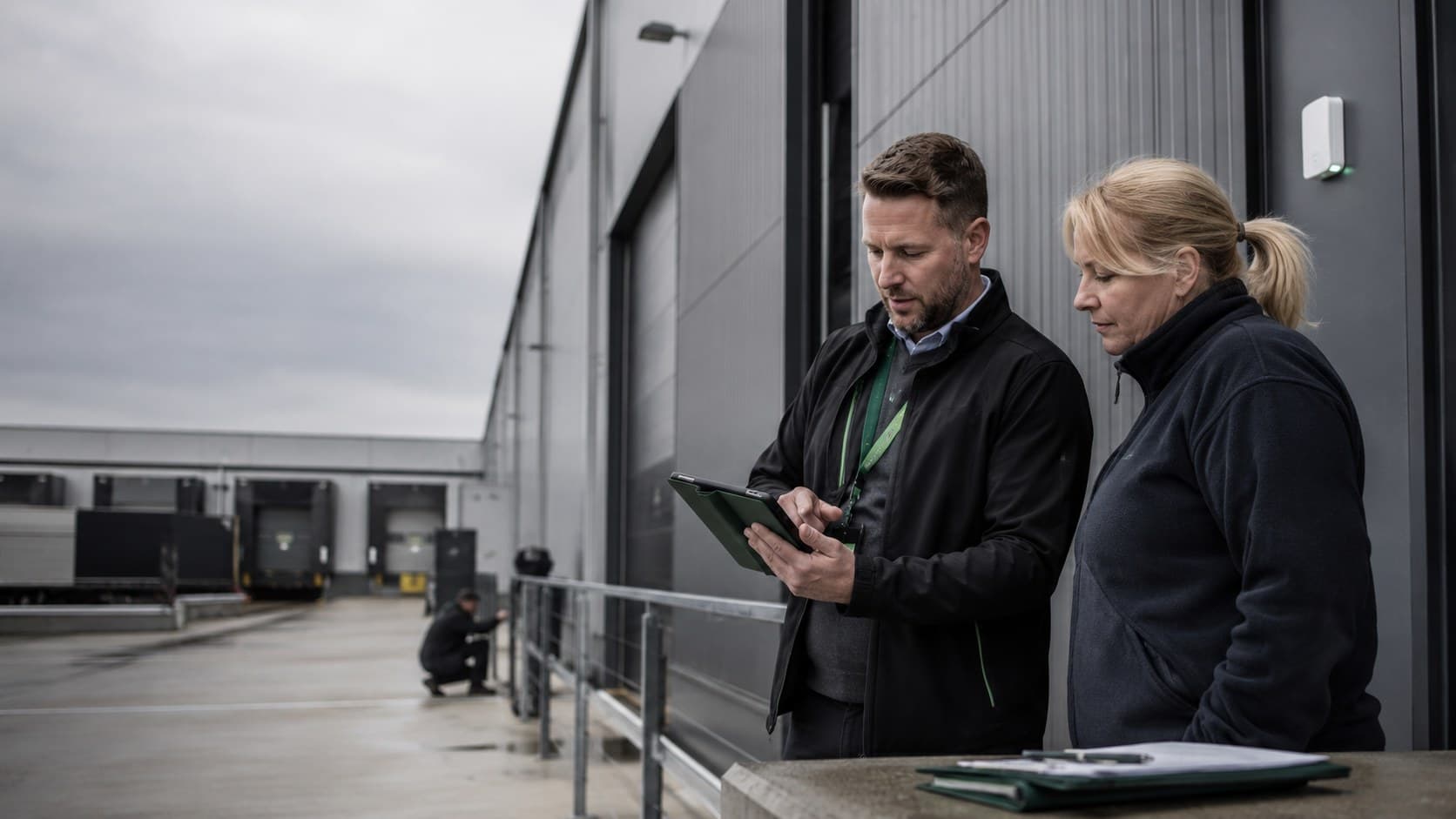
A service penetration is left open.

Waste patterns shift.
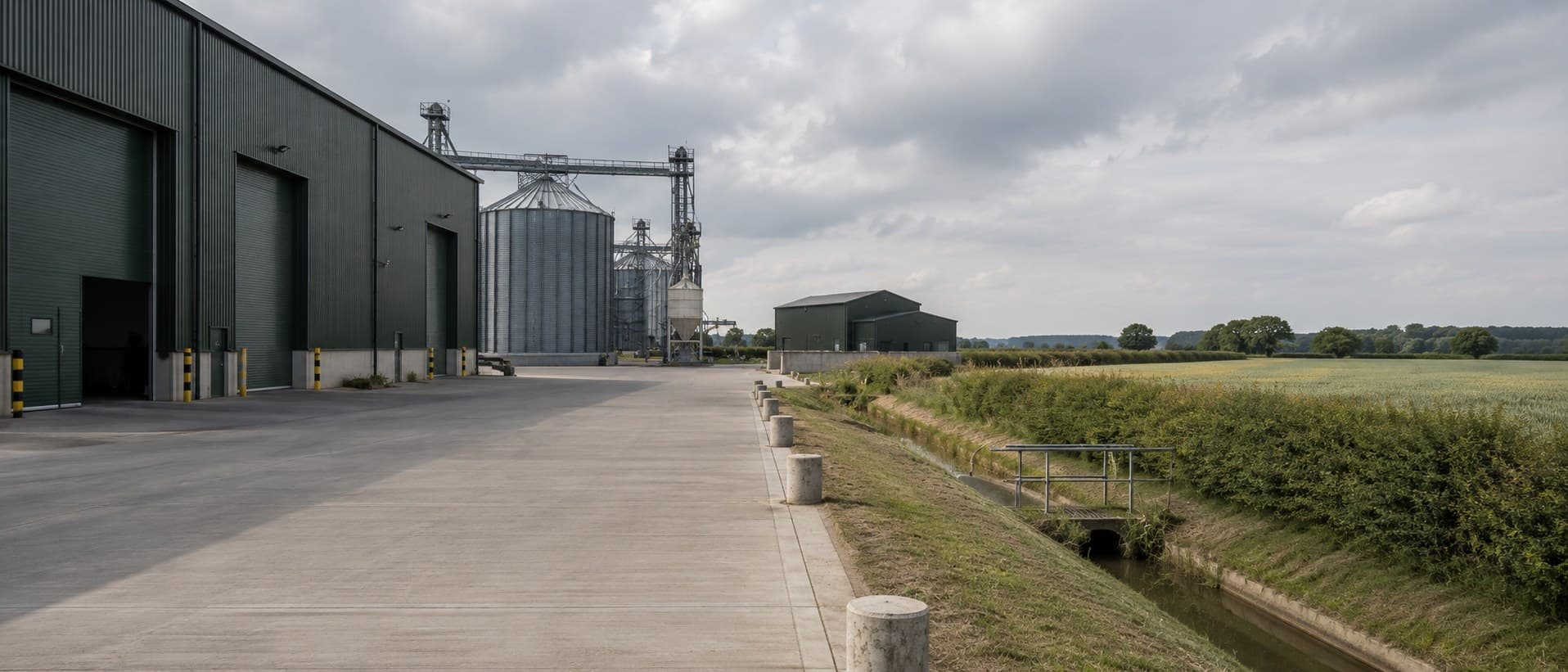
Vegetation gives rodents cover at the perimeter.
A finding becomes useful when something changes because of it.

02 – What Stratton does
One site. One considered plan.
01
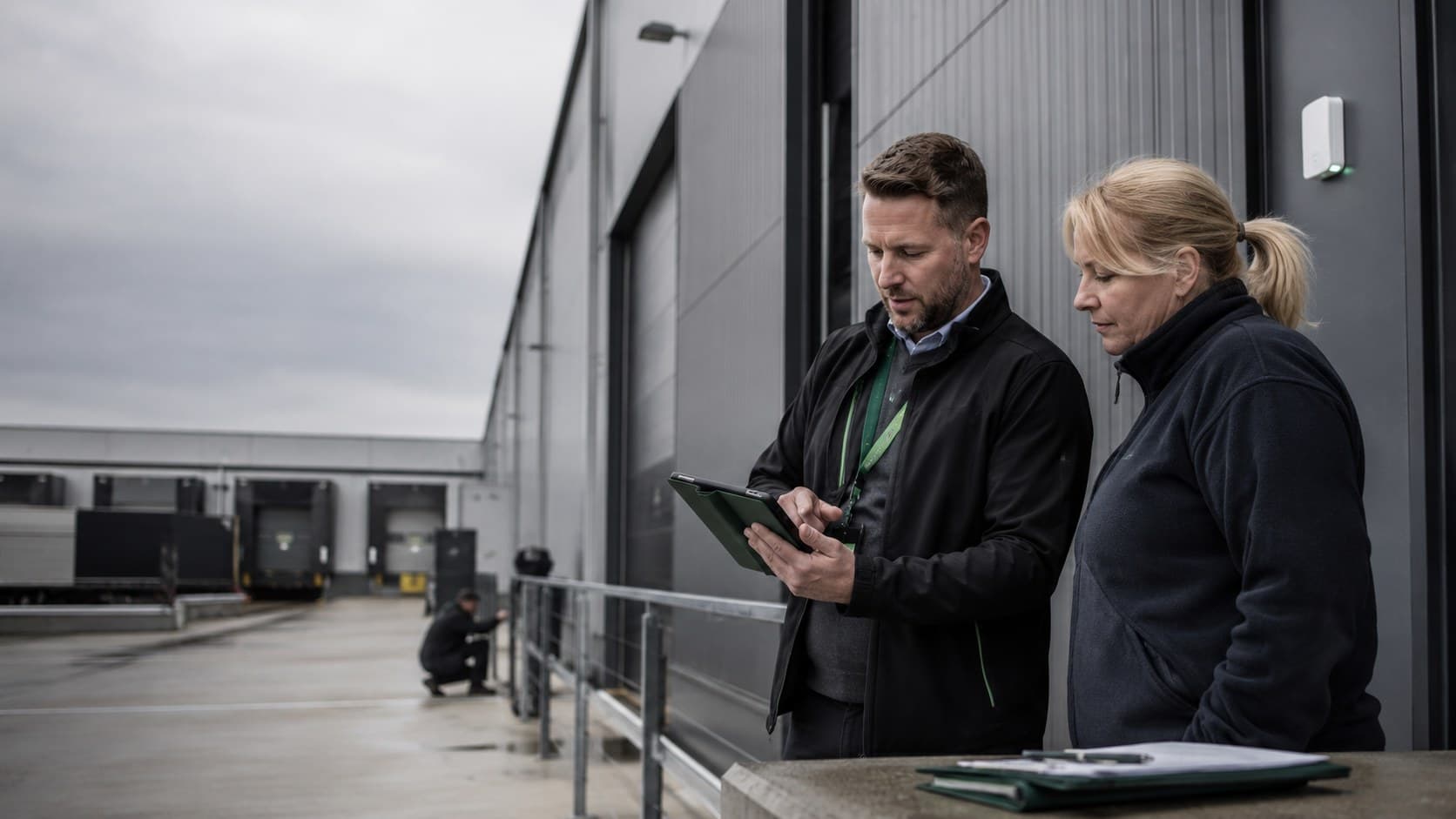
Understand the risk
The real site, rather than an inherited layout of devices.
02
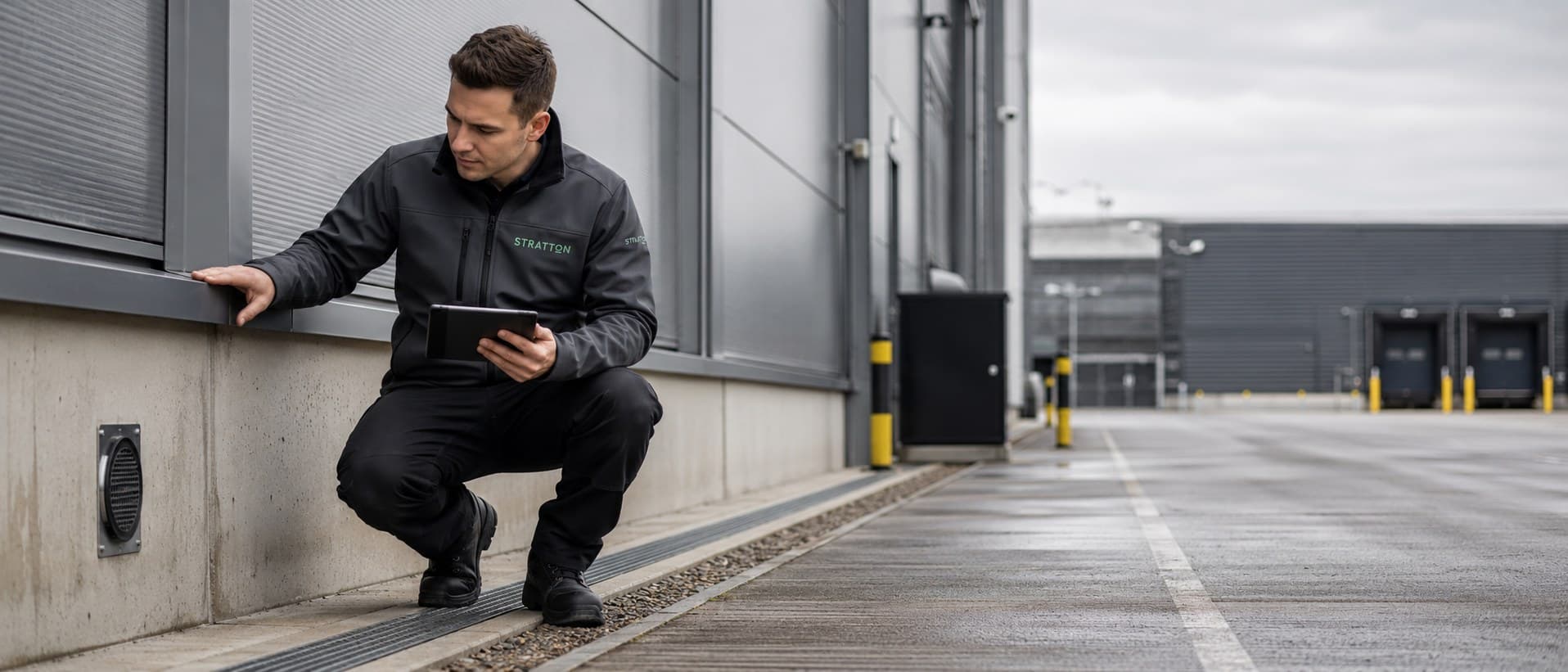
Prevent what we can
Proofing and exclusion lead. Rodenticide only when the risk justifies it, with the decision recorded.
03
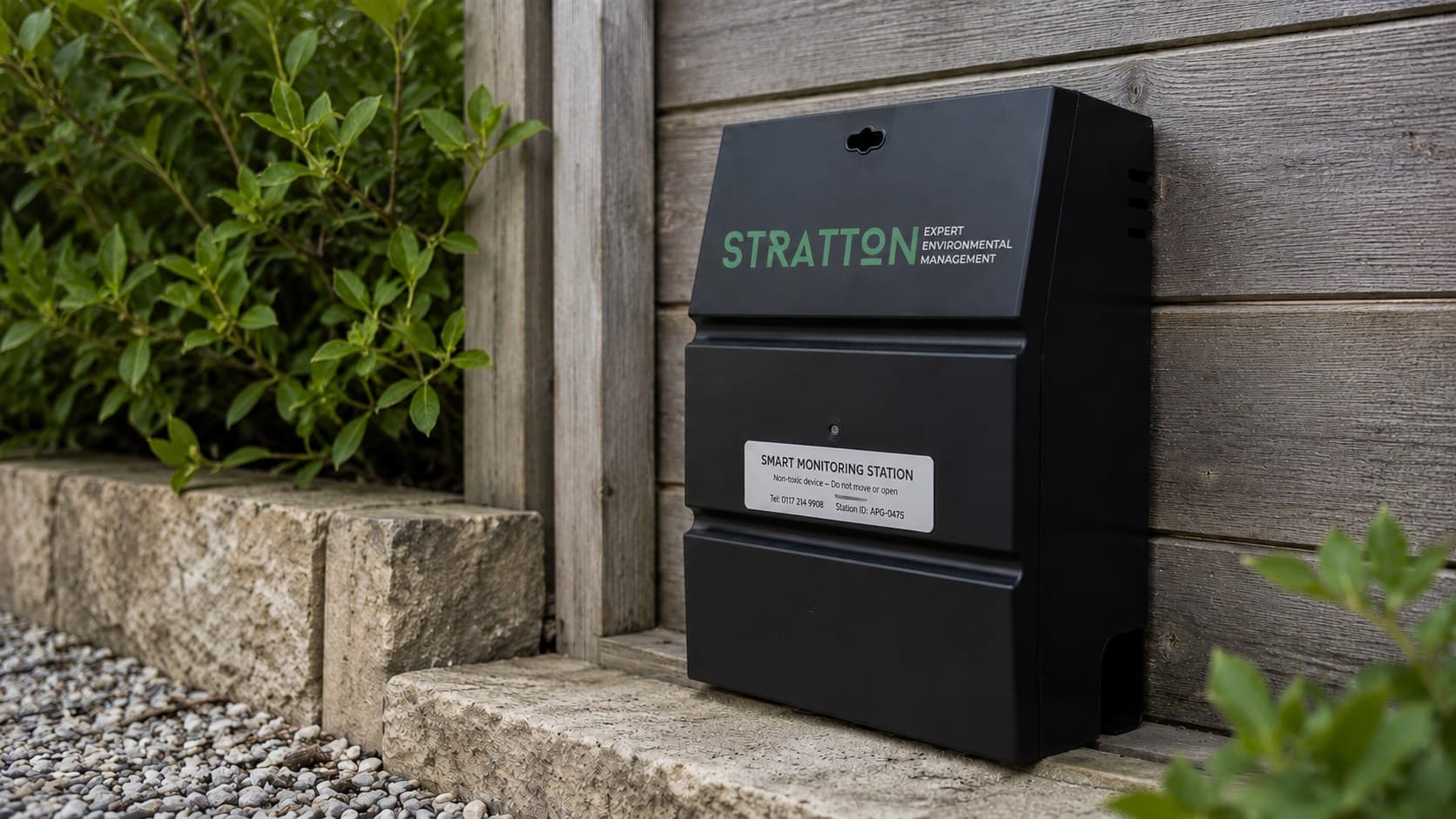
Monitor where it matters
Every device must have a purpose.

04
Act, verify and adapt
Findings become prioritised actions with a responsible party, then checked and evidenced.

03 – The Stratton standard
A method that carries the work through.
01 – SEPOS
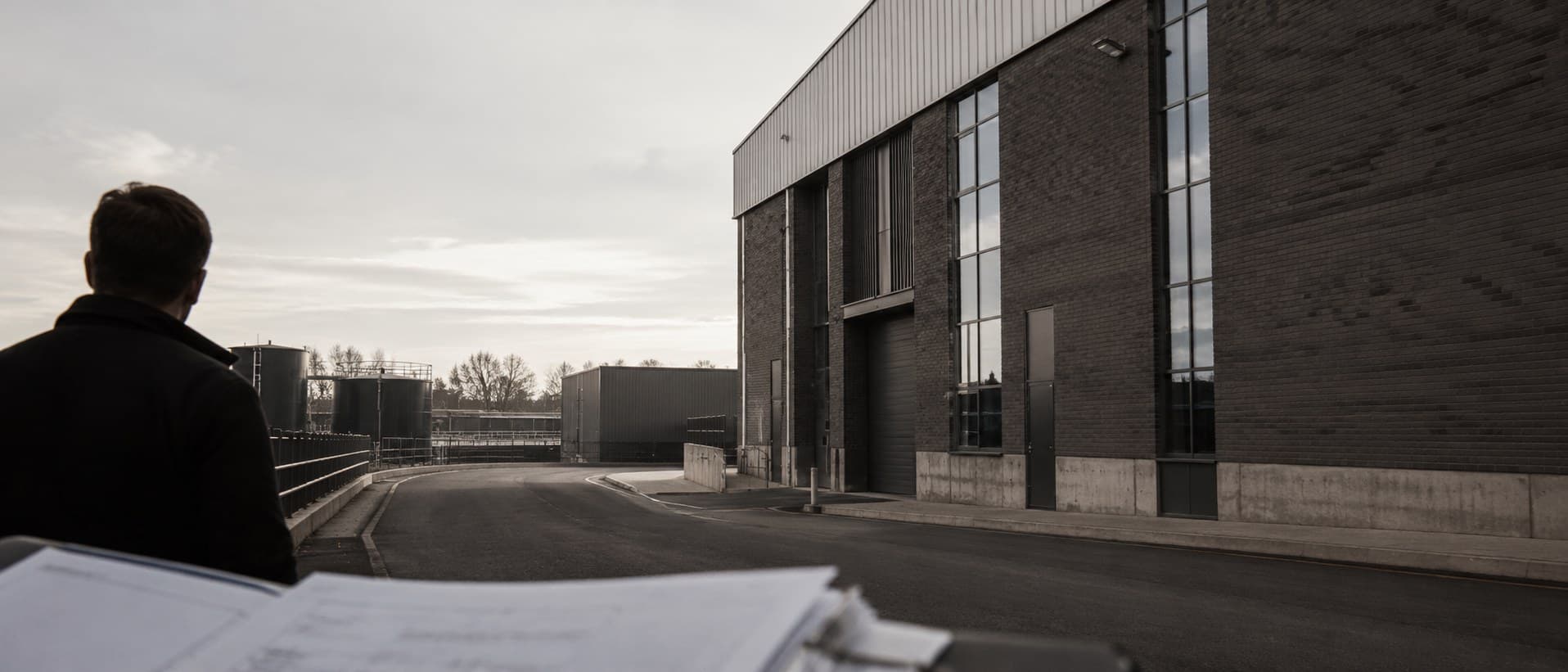
Research
Establish the site’s true position.

02 – SEPOS
Consultation
A recommendation is only useful if the people responsible can act on it.

03 – SEPOS
Design
Each measure is tied to a risk it is intended to control.
04 – SEPOS
Implementation
The field work and the record develop together.

05 – SEPOS
Review
The programme improves with what the site teaches us.

04 – Between visits
Earlier signals. Better decisions.
05 – Stratton Pulse
The site’s position, held in one place.
Service records, findings, evidence and corrective actions. The site team and Stratton work from the same record.


06 – Stratton in practice
Biosecure production · Midlands, UK
From fragmented activity to one controlled programme.
- BeforeFragmented
- Contracted visits missed. No reliable view of what had been inspected or remained unresolved.
- BaselineRe-established
- Monitoring network reviewed. Automated capture units, flying-insect control, bird-access assessment and an environmental risk assessment.
- ResultControlled
- Attendance, findings and corrective actions held in Stratton Pulse, visible to management.
“We can see the work, the judgement behind it, and the position it has created.”

07 – Where Stratton works
For sites where a small weakness can have large consequences.

Food and regulated production
Product protection, and the evidence auditors expect.

Facilities and multi-site portfolios
One standard across every building.

Sensitive and high-value environments
Biosecure, healthcare and heritage premises where discretion matters.
08 – Evidence
Your pest control should survive an audit.
Every finding traceable from discovery to decision, action and evidence of completion.
Redacted examples and client references are available during procurement.
Explore case histories and evidence
Selected organisations we work with













Newsroom
Thinking drawn from the field.
- Your Pest Control Contract Does Not Prevent PestsA monthly visit shortens the time pest activity goes unnoticed. It does not change the odds of it occurring. For audited sites, the distinction determines what should be measured, who owns the fix, and what an auditor will find.
- Closing the Loop on Pest RiskA recommendation can be raised, forwarded and filed correctly. None of that corrects anything. What four years of hospital call-out data shows about the distance between a finding and a change.
09 – The first step
Start with your site.
One site or a national portfolio: an Operational Site Review finds the points of greatest exposure and sets written priorities. Where a Stratton programme is not appropriate, we will say so plainly.